
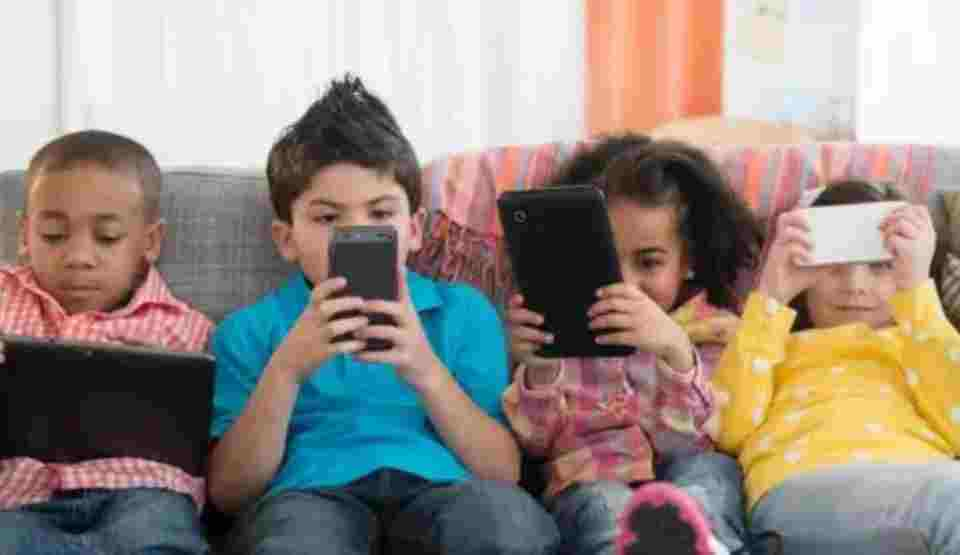
New research reveals a troubling surge in social media usage among Britain’s youngest children, with nearly four in ten preschoolers now accessing platforms intended for teenagers and adults.
Rising Usage Among Toddlers
Recent findings indicate that 37 percent of children between three and five years old regularly engage with social networking sites or applications, marking a significant increase from 29 percent just one year earlier. This translates to approximately 814,000 British preschoolers using platforms with minimum age requirements of 13, restrictions that prove remarkably easy to circumvent.
Physical and Mental Health Impacts
The consequences extend beyond screen time concerns. Medical evidence suggests children exposed to screens for over an hour daily face ten times the risk of developing musculoskeletal problems compared to peers with minimal device usage, particularly when using tablets or phones while reclining.
Educational professionals report observing students who lack fundamental physical capabilities. One educator described teaching young pupils unable to maintain proper seated posture on classroom floors due to underdeveloped core muscles—a direct result of extended periods spent motionless with digital devices.
Research conducted in New Zealand tracking 6,000 children demonstrated that 90 minutes of daily screen exposure correlated with substandard achievement in literacy, mathematics, and communication skills. Younger participants displayed increased behavioral difficulties and early indicators of anxiety conditions.
Parental Oversight Gaps
The data reveals that nearly one-fifth of preschool-aged children access social platforms without parental supervision, while 40 percent of all children under 13 maintain active social media profiles. Among eight and nine-year-olds, one quarter report communicating with unknown individuals during online gaming sessions.

Calls for Regulatory Action
Advocacy groups and former government officials are demanding stronger protective measures. Lord Nash, previously serving as schools minister, advocates for raising the minimum social media age to 16 and implementing mandatory accountability for technology companies that fail to exclude underage users. He emphasizes the need for comprehensive public awareness initiatives to educate parents about developmental risks.
Campaign organization Safe Screens argues that school phone prohibitions, while necessary, prove insufficient for protecting the youngest children. The group calls for urgent policy discussions regarding age verification enforcement.
Policy Recommendations
The Centre for Social Justice has published recommendations including complete smartphone bans in educational settings, stricter age limit enforcement mechanisms, and public health campaigns addressing social media dangers. Their report highlights particular vulnerability during critical developmental periods for speech acquisition, sleep patterns, attention capacity, and emotional regulation.
Educational institutions report declining student concentration and increasingly challenging behavior patterns, which analysts attribute to constant digital stimulation.
Legislative Developments
Parliamentary proposals have emerged seeking to prohibit social media access for anyone under 16. Similar legislation recently took effect in Australia. These initiatives gained momentum following the 2017 death of 14-year-old Molly Russell, whose exposure to self-harm and suicide content through algorithmic recommendations led a coroner to demand government intervention and stricter age verification systems.
Current School Policies
Education authorities note that virtually all primary schools—99.8 percent—and the vast majority of secondary schools have already implemented mobile phone restrictions. Officials maintain that existing regulations under the Online Safety Act provide enhanced protections against harmful content, while school leaders retain authority to establish device policies appropriate for their institutions.