
The European Broadcasting Union has decided Israel will compete in the 2026 Eurovision Song Contest in Austria, triggering boycotts from multiple countries over the ongoing Gaza conflict.
Broadcasters Withdrawing
Following Thursday’s decision by EBU members not to hold a vote on Israel’s participation, several national broadcasters announced their withdrawal from the May contest:
Confirmed boycotts:
- Ireland (RTE)
- Netherlands (Avrotros)
- Spain (RTVE)
- Slovenia (RTV Slovenia)
Previously indicated potential withdrawal:
- Belgium
- Finland
- Sweden
- Iceland
The BBC announced its support for the EBU’s collective decision, characterizing it as enforcing organizational rules while maintaining inclusivity.
Reasons for Withdrawal
Irish broadcaster RTE stated that participation would be unconscionable given the loss of life and humanitarian situation in Gaza. Dutch broadcaster Avrotros cited conflicts between participation and their fundamental public values, particularly regarding humanity and press freedom.
Spanish broadcaster RTVE’s secretary general Alfonso Morales referenced the Gaza situation and concerns about political manipulation of the contest. Slovenia’s board chairwoman Natalija Gorscak invoked European peace standards and dedicated their boycott to victims of the conflict.
New Voting Safeguards
The controversy stems partly from allegations that Israel manipulated voting for its 2025 entry. Members voted to implement stricter rules discouraging governments and outside parties from disproportionately promoting songs to influence voters.
At the 2025 contest in Switzerland, Israel’s entry received only 60 jury points but 297 public votes, finishing second overall. This disparity prompted several countries to request audits of their national results. Reports suggested an Israeli government agency purchased advertisements and used social media campaigns to boost votes, though Israel has not addressed these claims directly.
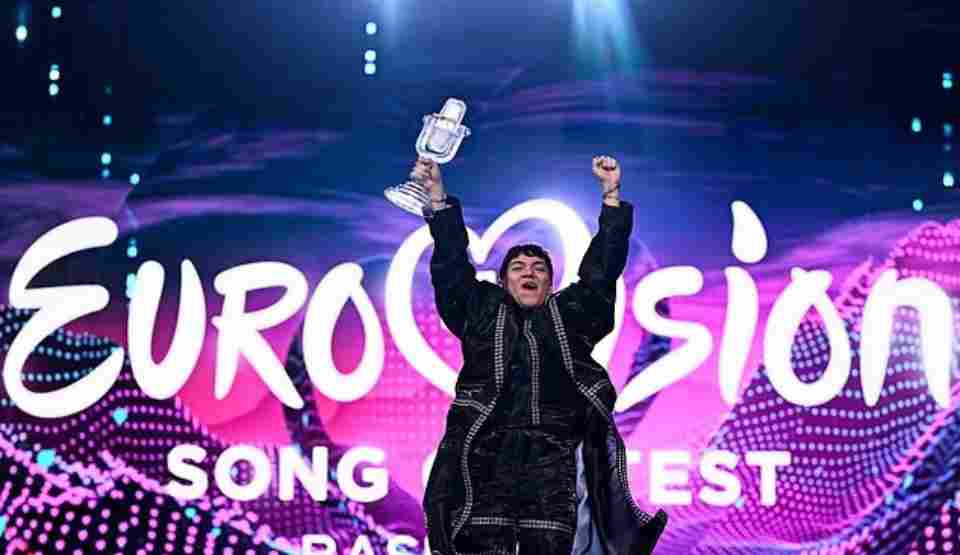
Eurovision 2026 Changes
New regulations for the Vienna contest include:
- Maximum of ten votes per fan
- Reintroduction of juries to semi-final rounds
- Enhanced safeguards to protect neutrality
The EBU reported clear member support for these reforms and stated that most members agreed no additional vote on participation was necessary.
Political Reactions
Israeli President Isaac Herzog welcomed the decision, emphasizing Israel’s right to representation and expressing hope that Eurovision would continue promoting cultural understanding between nations.
Foreign Minister Gideon Saar criticized boycotting countries, calling their actions disgraceful. British Conservative shadow culture secretary Nigel Huddleston supported Israel’s inclusion and expressed concern over the boycotts, arguing music should unite rather than serve political purposes.
Austrian Foreign Minister Beate Meinl-Reisinger cautioned that boycotts would deepen divisions without improving conditions in the region or contributing to political solutions.
Contest Disruptions
Anti-Israel protests have affected recent competitions. At the 2025 final, Israel’s performer Yuval Raphael faced booing and jeering, while two individuals attempted to storm the stage with paint. The death toll in Gaza has exceeded 70,000 according to health authorities there, intensifying calls for Israel’s exclusion.
International Positions
Countries maintaining different stances:
- Denmark will not support Israel’s removal if they comply with regulations
- Germany indicated it would withdraw if Israel were excluded
- Austria, Australia, and France confirmed they would not boycott
- Austria, as host nation, has publicly rejected boycott calls
The Eurovision Song Contest typically attracts approximately 150 million viewers worldwide and aims to remain apolitical, though the Gaza conflict has created significant controversy around the competition.