Historic ruling holds ousted leader accountable for last year’s deadly suppression of protests
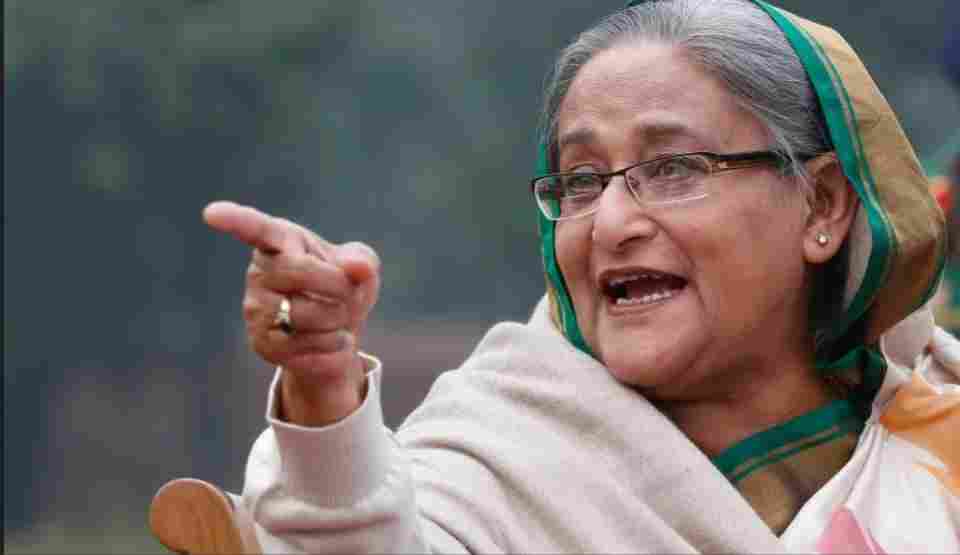
Bangladesh’s International Crimes Tribunal delivered a death sentence Monday to former Prime Minister Sheikh Hasina, marking the most severe punishment ever imposed on a leader in the nation’s history. The 78-year-old was convicted of crimes against humanity for her role in the violent suppression of student-led demonstrations in 2024.
The tribunal in Dhaka found Hasina guilty on three charges: encouraging violence, commanding lethal force, and failing to stop atrocities. Judge Golam Mortuza Mozumder declared that all necessary criteria for crimes against humanity had been satisfied, resulting in the death penalty.
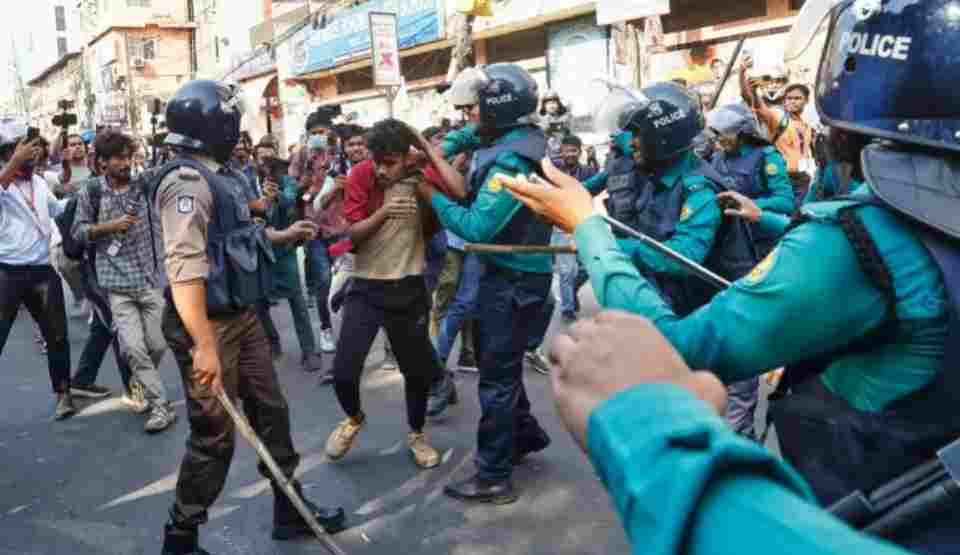
The Deadly Crackdown
According to United Nations estimates, as many as 1,400 people died and thousands more suffered injuries when Hasina’s government attempted to crush the uprising. The protesters, primarily students, challenged her administration before she ultimately fled to India in August 2024.
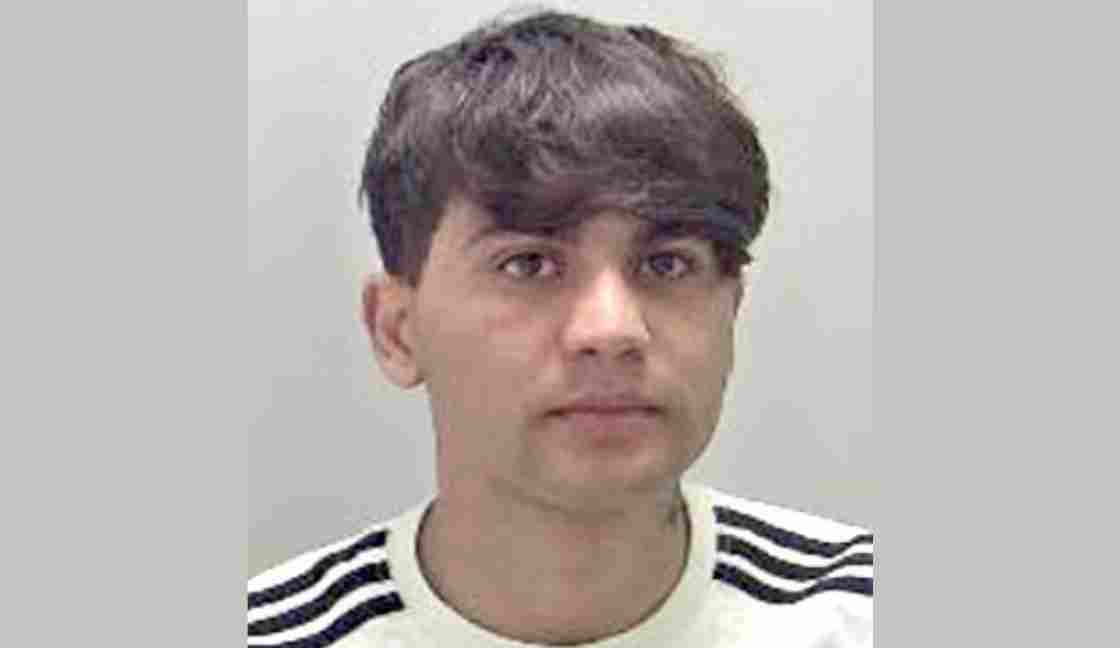
Former Home Minister Asaduzzaman Khan received a death sentence alongside Hasina, both tried in their absence. Former police chief Chowdhury Abdullah Al-Mamun, who appeared in court and admitted guilt, was sentenced to five years in prison.
Emotional Scenes and Security Measures
The courtroom erupted in applause and cheers when the verdict was announced, with victims’ relatives present for the historic moment. Outside, some supporters dropped to their knees in prayer. The proceedings were televised nationally, occurring just months before Bangladesh’s scheduled February elections.
Security forces maintained a heavy presence throughout Dhaka and other major urban areas. Earlier in the day, police confronted demonstrators calling for the destruction of what remains of the home belonging to Hasina’s father, Sheikh Mujibur Rahman, the country’s independence leader and founding figure.
Hasina’s Response
In a post-conviction statement, Hasina rejected the charges as baseless and politically driven. She maintained that she and Khan attempted to minimize casualties and never ordered protesters to be killed. Hasina described the situation as having spiraled beyond their control, disputing characterizations of the crackdown as deliberate.
She labeled the tribunal as rigged and expressed grief for all lives lost during the July and August 2024 violence. Under current rules, Hasina cannot challenge the verdict unless she returns to Bangladesh or is apprehended within 30 days.
International Reactions and Extradition Dispute
The interim government under Nobel Prize winner Muhammad Yunus called the verdict historic while urging citizens to remain peaceful. However, the UN expressed reservations about the death penalty and questioned whether the trial conducted without the defendant present met international standards for due process.
Bangladesh has formally requested India extradite Hasina and Khan, describing it as an obligation. India acknowledged the verdict and indicated it would engage on the matter but stopped short of committing to extradition.
Analysts predict India is unlikely to hand over Hasina. Her son, Sajeed Wazed, has stated publicly that India will protect his mother. The situation threatens to further strain already fragile relations between the two South Asian neighbors.
Political Context and Looking Ahead
The verdict arrives as Bangladesh, a nation of 170 million, prepares for its first elections since Hasina’s removal from power. Wazed has warned of potential violence if the ban on his mother’s Awami League party remains in place.
Experts suggest the interim government wanted to demonstrate its commitment to accountability and judicial integrity ahead of the elections. While many Bangladeshis who lost family members welcome the verdict, researchers note that true closure will require a broader process of national reconciliation.
The case opens questions about how Bangladesh will move forward politically and whether the conviction will help heal divisions or deepen them in the run-up to February’s crucial vote.