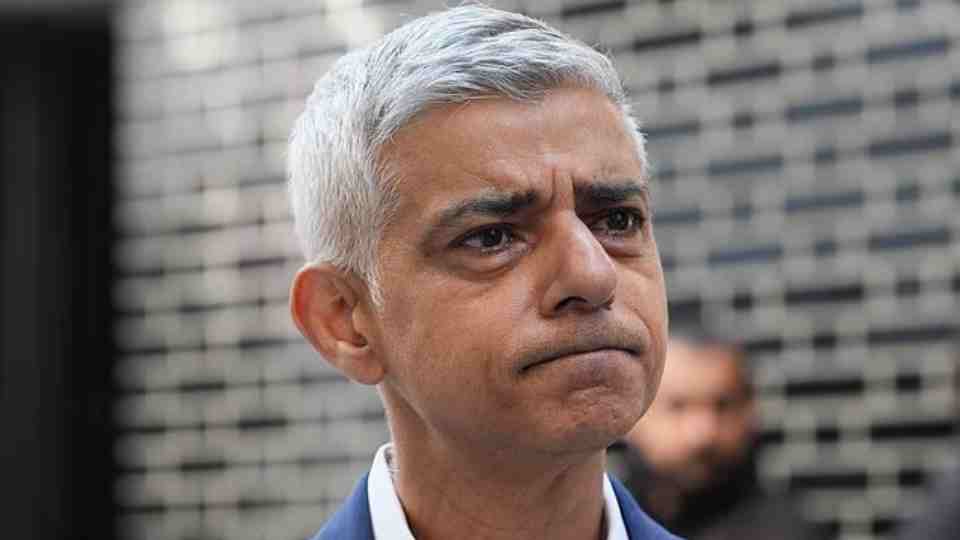
Transport for London is escalating enforcement measures against drivers who repeatedly dodge Ultra Low Emission Zone charges, with Mayor Sadiq Khan warning that bankruptcy proceedings could await persistent offenders.
The capital’s pollution charge scheme, which costs non-compliant drivers £12.50 per day, has accumulated a staggering £789 million in unpaid fines by the end of the last financial year—triple the £250 million debt recorded in summer 2023.
TfL announced it will pursue aggressive collection tactics against what it calls a “specific group of drivers” with substantial outstanding debts. These measures include bankruptcy proceedings in severe cases, wage garnishments, and property liens that prevent debtors from selling assets until fines are settled.
The transport authority revealed that 94% of ULEZ debt stems from repeat offenders with at least four unpaid penalty charge notices. Individual fines can escalate to £280 if ignored, creating mounting financial pressure on those unable or unwilling to pay.
Enhanced Tracking and Recovery Efforts
TfL has already implemented what it describes as an “intelligence-led approach” to locate fine dodgers, including expanded data sharing with the Department for Transport and the Driver and Vehicle Licensing Authority. This strategy recovered £16.5 million and resulted in the seizure of over 530 vehicles in just six months.
Alex Williams, TfL’s chief customer and strategy officer, emphasized that while 97% of London vehicles now comply with emission standards, authorities remain focused on the “small minority” of “persistent evaders.”
“If you receive a penalty charge for driving in the zone, you should not ignore it,” Williams warned. “Your penalty will progress to enforcement agents to recover what you owe, and there is a risk that your vehicle and other items of property will be removed.”
ULEZ’s Controversial Expansion
The Ultra Low Emission Zone initially covered only central London when launched in 2019 but expanded dramatically in 2023 to encompass all of Greater London—an area spanning over 580 square miles and affecting nine million residents. This expansion created the world’s largest pollution charge zone.
The scheme requires most petrol cars registered before 2005 and diesel vehicles from before September 2015 to pay the daily charge, with exemptions for certain commercial vehicles, taxis, and disability transport.
Economic Impact Debate
Recent TfL data shows mixed economic effects following the zone’s expansion. High street spending declined 3.4% in outer London boroughs in the year after ULEZ expanded, with Barking and Dagenham experiencing a 13.25% drop. Only eight of London’s 33 local authorities saw increased high street spending.
Despite these figures, Mayor Khan maintains the scheme successfully reduces pollution without significantly impacting retail. He claims the policy has accelerated London’s progress toward meeting legal air quality standards, potentially achieving compliance decades earlier than previously projected.
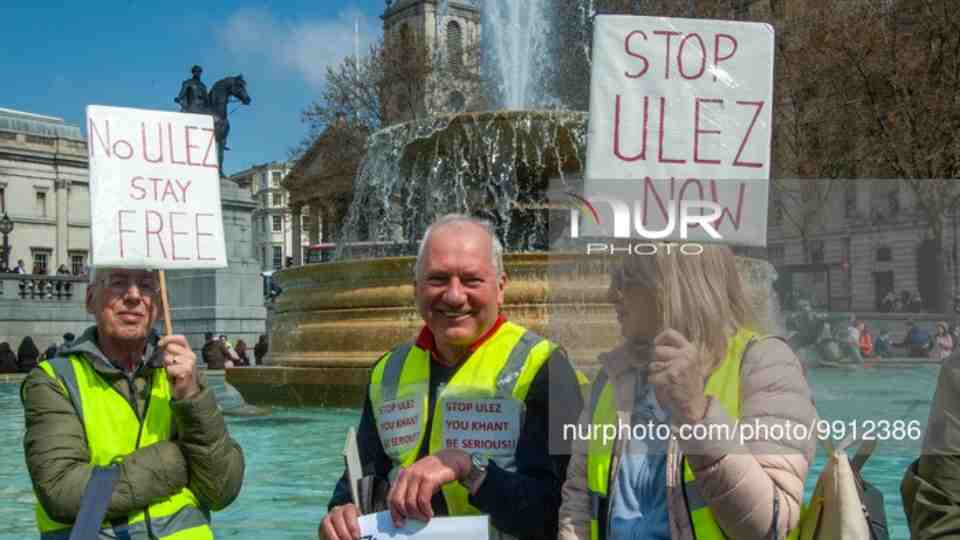
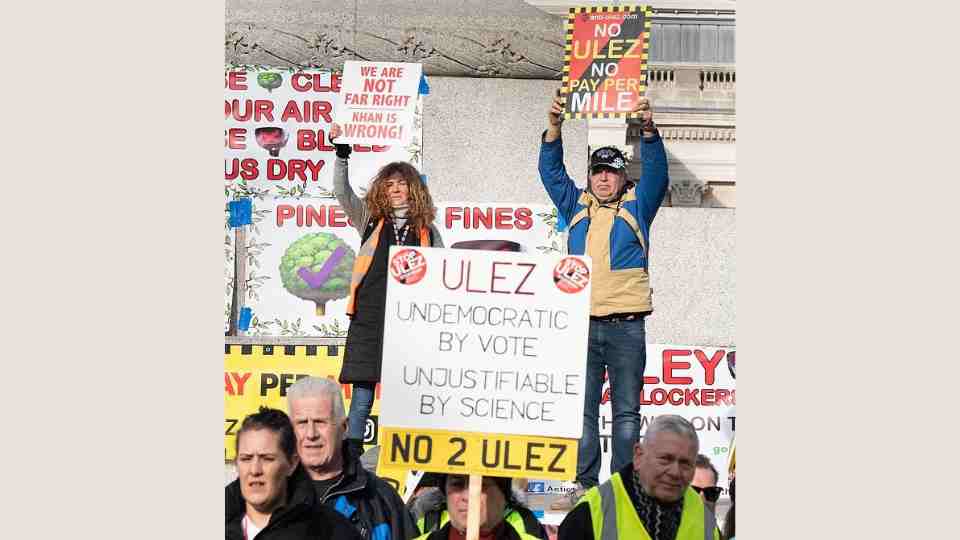
Critics argue the mayor has overlooked the financial burden on businesses and residents, particularly in outer London boroughs where compliance rates were initially lower and economic impacts more pronounced.
The controversy extends beyond economics, with Khan previously characterizing some ULEZ protesters as aligning with extremist groups, leading to security concerns including death threats against the mayor.
As enforcement intensifies, the scheme highlights the tension between environmental goals and economic accessibility in one of the world’s most expensive cities.