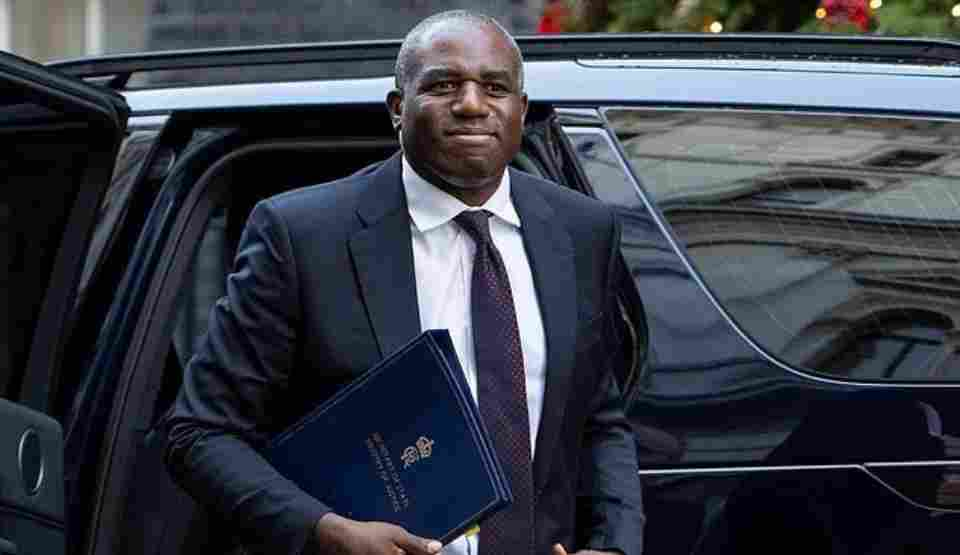
David Lammy has sparked renewed debate about Britain’s relationship with the European Union after repeatedly avoiding ruling out potential membership of the EU customs union.
During a podcast interview, the Deputy Prime Minister was asked seven times whether he would exclude rejoining the customs union, but declined to do so definitively. Instead, he stated this was not “currently” government policy while noting it was “self-evident” that some nations with customs union membership had experienced economic growth.
Lammy referenced Turkey as an example, suggesting the country appeared to benefit economically from its customs union arrangement. He emphasized his remarks were “subject to collective responsibility,” indicating he was bound by official party positions.
The comments prompted immediate pushback from within government. Darren Jones, chief secretary to the Treasury, told Parliament that Labour policy would be announced in the Commons rather than through media appearances.
The exchange occurs against a backdrop of Labour’s stated aim to improve relations with Brussels. Prime Minister Keir Starmer has committed to resetting EU ties, while Chancellor Rachel Reeves has pointed to Brexit as a factor in Britain’s economic challenges.
Critics argue the remarks suggest Labour may be considering closer alignment with the EU beyond its publicly stated positions. The party has maintained it will not rejoin the EU single market or customs union, though questions persist about future policy direction.
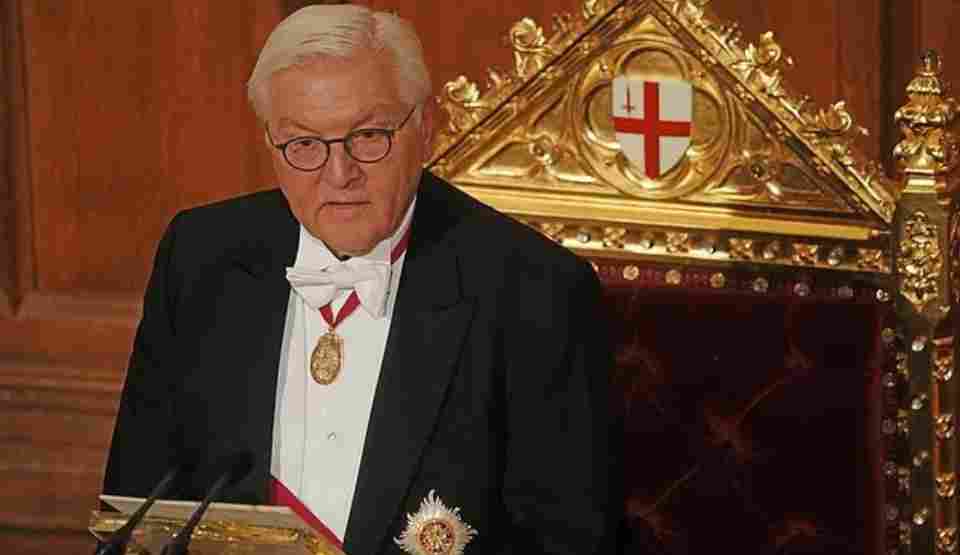
Meanwhile, German President Frank-Walter Steinmeier offered an optimistic view of UK-EU relations during his state visit to Britain. Drawing on the Oasis lyric “Don’t Look Back in Anger,” he suggested both sides should focus on future cooperation rather than past disagreements.
Steinmeier pointed to recent positive developments, including the first UK-EU summit since Brexit held in May and the UK-Germany partnership agreement signed in July. He also mentioned proposals for enhanced youth mobility programs to support educational exchanges between Britain and EU nations.