
The UK government has announced that asylum seekers will no longer be permitted to use taxi services for medical appointments starting in February, with exceptions only for extraordinary cases.
Background on the Decision
The policy change follows a BBC investigation that uncovered significant expenses related to transporting asylum seekers by taxi. One particularly striking example involved a 250-mile taxi journey to a general practitioner appointment that cost taxpayers £600.
Following these revelations, authorities initiated an emergency review in September to examine how taxis were being utilized and what these services were costing. The review found that the government has been spending approximately £15.8 million annually on asylum seeker transportation.
How the System Currently Works
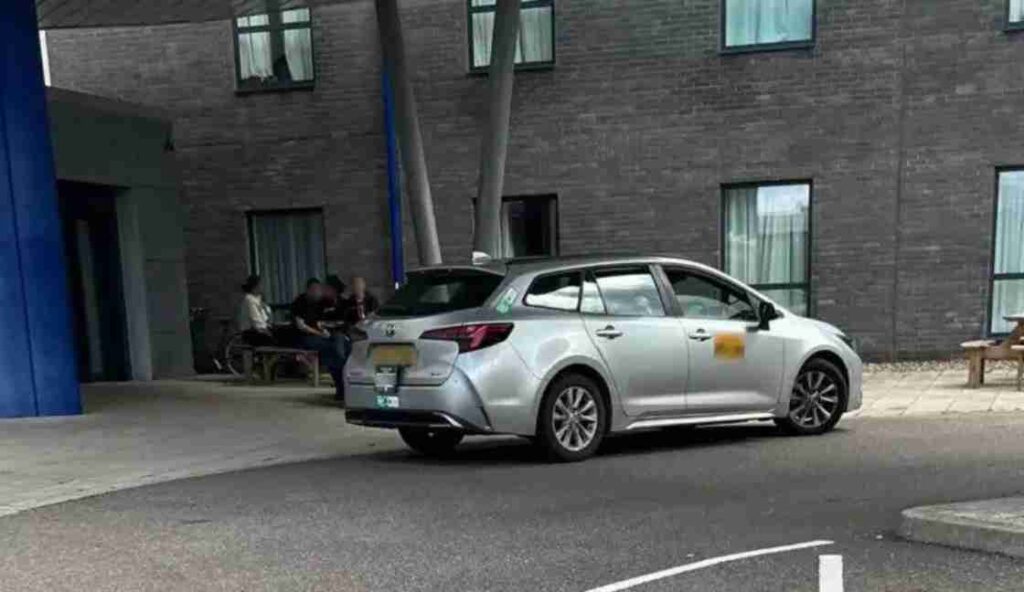
Earlier BBC reporting revealed that asylum seekers receive bus passes valid for a single weekly round trip. When additional travel is necessary—such as for medical care—taxis have been the standard solution.
Evidence gathered by journalists painted a picture of extensive daily taxi use. One driver reported making up to 15 daily trips from a single hotel in southeast London to a nearby medical facility approximately two miles away, generating daily costs of roughly £1,000.
Claims of System Inefficiencies
Taxi operators described practices that appeared to inflate costs unnecessarily. A driver identified as Steve described being dispatched from Gatwick Airport to Reading—a journey exceeding 100 miles roundtrip—to transport an asylum seeker just 1.5 miles from their hotel to a dental appointment.
Steve reported that his typical workday involved driving 275 miles, with half that distance completed without passengers. He also described instances where asylum seekers declined to travel after drivers had already arrived, resulting in completely wasted journeys.
The New Policy
Home Secretary Shabana Mahmood announced that taxi authorization will now require exceptional justification.
“I am ending the unrestricted use of taxis by asylum seekers for hospital appointments, authorising them only in the most exceptional circumstances,” Mahmood stated. She emphasized her commitment to eliminating wasteful spending while working to close all asylum hotels.
The Home Secretary attributed the current situation to contracts inherited from the previous Conservative administration.
What Replaces Taxis
The government’s preferred alternative is public transportation. However, exemptions will be available for asylum seekers with physical disabilities, chronic health conditions, or pregnancy-related requirements. These exemptions must receive Home Office approval under the new framework.
While taxis may still be used in specific situations—such as transfers between accommodations—officials are conducting a broader review with the goal of limiting taxi use to exceptional circumstances backed by supporting documentation.
Wider Context
The government has committed to eliminating asylum hotels before the next general election, favoring alternative housing such as large military installations.
Recent statistics show 36,273 people remain in asylum hotels throughout the UK, representing an increase from June figures.
Accommodation costs have risen substantially since the original contracts were established, prompting questions about whether the government might terminate existing agreements with providers. Such action would necessitate identifying replacement housing options.
The government has also announced major reforms to the asylum system, including making refugee status temporary and removing guaranteed housing assistance for asylum seekers.
Since taking office, the government reports recovering £74 million in costs.
Political Response
The Home Affairs Select Committee chair noted that the recovered funds represent only an initial step.
Shadow Home Secretary Chris Philp criticized the government’s approach, arguing that the administration lacks control over illegal immigration. He contended that the government should deport all illegal arrivals and withdraw from the European Convention on Human Rights, predicting that costs will continue to rise without such measures.