
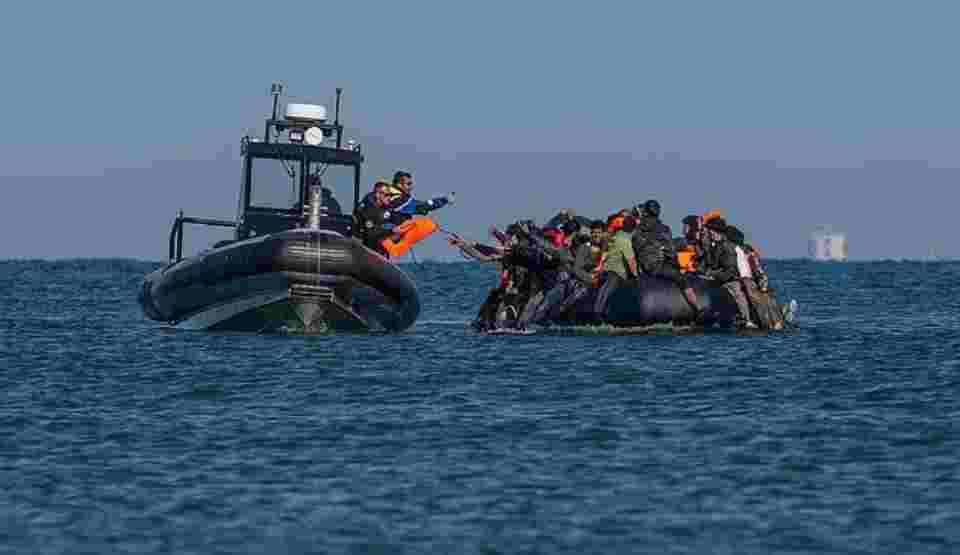
Asylum seekers reportedly offered incentives to transport narcotics into UK
A recent investigation has uncovered allegations that international drug trafficking networks are collaborating with people-smuggling operations to move heroin into Britain via Channel crossings.
According to reports, some asylum seekers are being offered reduced fares or complimentary passage across the English Channel in exchange for carrying illegal drugs. The scheme allegedly includes “VIP” arrangements that place drug carriers on boats with women and children—a tactic smugglers believe attracts less scrutiny from authorities.
How the Operation Works
Sources indicate that once migrants arrive in the UK, they are typically housed in Home Office-managed hotels, where the drugs are collected by criminal associates. One Iranian migrant who declined to participate described being offered a sliding discount based on the quantity of drugs he would transport.
“They told me the more I carried, the less I’d pay,” the man told investigators. “They said someone would call me at the hotel to collect the package. They wanted to put me on a boat with women and children because it was ‘safer’ and less likely to draw police attention.”
The source added that he was told the drugs would remain concealed in his stomach until naturally expelled, making detection difficult even during police processing. Feeling pressured and fearful, he eventually escaped and found alternative passage.

Official Response
Both the Home Office and National Crime Agency have disputed claims that this practice is widespread. A Home Office spokesperson emphasized that every migrant arriving illegally undergoes thorough security checks and searches designed to prevent illicit drugs from entering the country.
“We do not recognize these claims,” the spokesperson stated. “This government is relentless in tackling the criminal gangs who put lives at risk.”
The National Crime Agency echoed this position, stating the issue is “not something it recognizes,” though the agency remains vigilant to evolving threats in organized immigration crime and drug trafficking.
Home Office sources note that no illicit drugs have been found on arriving migrants and that smugglers would be unlikely to choose this route. However, physical searches may not detect drugs that have been swallowed—a method that would require X-ray screening to identify.
Community Tensions Rise
The broader immigration debate continues to generate tension in communities across Britain. In Crowborough, East Sussex, residents have formed a civilian patrol group in response to plans to house 600 adult male migrants at a local army camp.
The “Crowborough Patrol” will operate day and night, with volunteers wearing high-visibility jackets and red baseball caps. Organizers say they aim to provide a “visible deterrent” against unwanted activity, particularly during school hours and evenings.
Critics have labeled the group vigilantes and called for police intervention, warning that such patrols could inflame an already tense situation. One resident expressed concern that “a self-appointed gang” might escalate tensions rather than ease them.
The patrol organizers insist they have community support and will not directly intervene in incidents, instead focusing on observation and reporting to proper authorities.
The Bigger Picture
The extent of drug smuggling via Channel crossings remains unclear, though the allegations suggest criminal networks are seeking to exploit migration routes for narcotics trafficking. With thousands of people crossing the Channel annually, authorities face the challenge of distinguishing genuine asylum seekers from those coerced or complicit in criminal operations.
As the government continues its efforts to dismantle smuggling networks, questions persist about whether current security measures adequately address the evolving tactics of organized crime.