Transport for London passengers will face a substantial fare increase next year, even as the government freezes National Rail ticket prices for the first time in three decades.
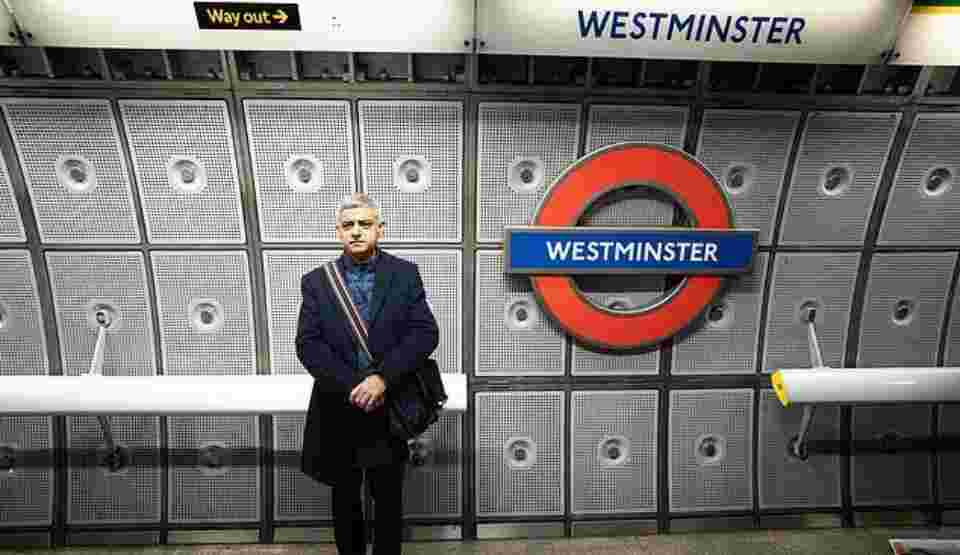
Mayor Sadiq Khan announced that TfL services, including the Underground, Overground, and Elizabeth line, will see fares rise by 5.8 percent next March. This increase also applies to Travelcards that cover both National Rail and TfL services within London’s fare zones.
What the Changes Mean for Commuters
The fare increase will affect millions of daily travelers. A single off-peak journey between zones one and two is expected to increase from £2.90 to £3.10, while peak travel on the same route would rise from £3.50 to £3.70. Longer journeys from zones one to six could see off-peak fares climb from £3.80 to £4.05, and peak fares from £5.80 to £6.15.
Because Tube fares increase in fixed increments of 5p or 10p, some passengers may experience price changes slightly above or below the average percentage increase.
Political Response
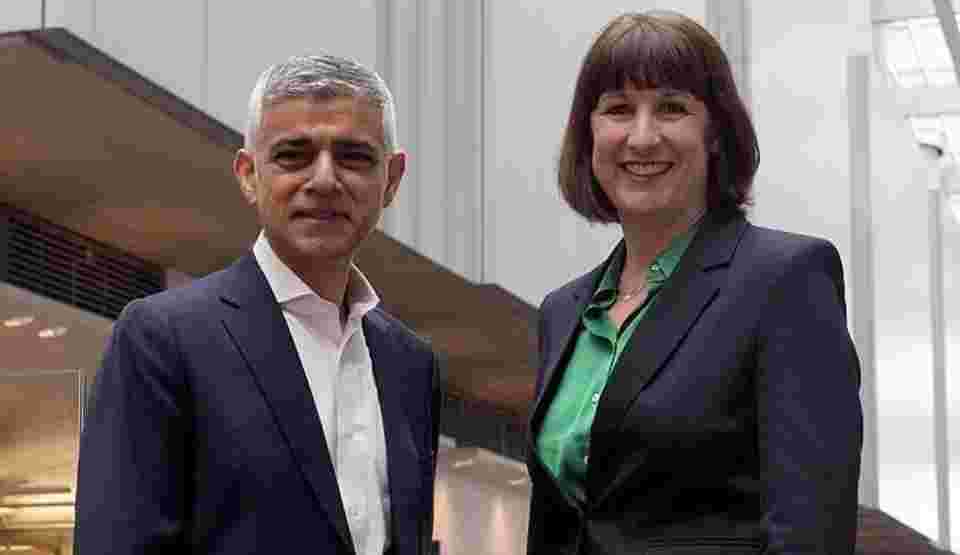
Conservative transport spokesman Thomas Turrell criticized the decision, arguing that Khan’s relationship with Chancellor Rachel Reeves has left Londoners bearing an above-inflation fare increase while other parts of the country benefit from frozen prices. He described the rise as worsening the cost of living in an already expensive city that serves as the nation’s economic engine.
Campaign for Better Transport chief executive Ben Plowden acknowledged the increase as part of TfL’s capital funding agreement with central government, though he expressed disappointment that Londoners would face higher fares while others are spared.
The Funding Agreement
Khan explained that the fare increase is a required condition of TfL’s funding settlement with the government. The transport authority secured a £2.2 billion deal from the Chancellor during the June spending review, representing the largest multi-year funding agreement in over a decade.
Under the settlement terms, TfL must increase fare revenue using the RPI+1 formula, which means the Retail Prices Index inflation rate plus one percentage point. With July’s RPI at 4.8 percent, this produces the 5.8 percent fare increase. The mayor noted this formula will generate approximately £450 million toward capital investment.
Khan defended the arrangement as a reasonable expectation from government, stating that with the government contributing significantly, it’s fair that TfL also increases its contribution. He clarified that the national rail fare freeze announced by the Department for Transport applies specifically to National Rail services, not London’s transport network.
National Rail Freeze Details
The government announced on November 22 that regulated rail fares would be frozen, covering season tickets and peak and off-peak returns between major cities. Ministers estimate this will save rail travelers hundreds of pounds annually, with some commuters on expensive routes saving over £300 per year.
However, the freeze only applies to regulated fares for standard class travel. Unregulated fares, including first class tickets, advance purchase options, and certain saver tickets, remain at operators’ discretion. Industry observers have suggested that with costs continuing to rise, operators may face increased pressure to raise unregulated fares to compensate.
TfL has not yet announced plans for bus fares, which were frozen in December of last year. Full details on the exact fare changes are expected to be confirmed in the coming weeks.