A striking two-thirds of Labour voters would prefer Prime Minister Keir Starmer to abandon his Brexit red lines and pursue membership in the European Union’s customs union rather than implement tax increases on working people, according to newly released polling data.
The survey, conducted by Savanta, emerges amid reports that the prime minister turned down recommendations from his chief economic adviser to rejoin the EU customs union as a strategy to stimulate economic growth before the recent Budget. Instead, Chancellor Rachel Reeves proceeded with £26 billion in tax increases, stating the need for “ordinary people to pay a little bit more.”
The polling data reveals a significant preference among Labour’s base: only 18 percent of the party’s 2024 voters would choose maintaining distance from the EU customs union while raising taxes. In contrast, 67 percent supported customs union membership as an alternative to tax hikes, according to the Liberal Democrat-commissioned survey.
Across the broader electorate, 52 percent of UK adults expressed preference for joining an EU customs union over raising taxes, while just 21 percent held the opposite view.
Growing Calls for Brexit Reversal
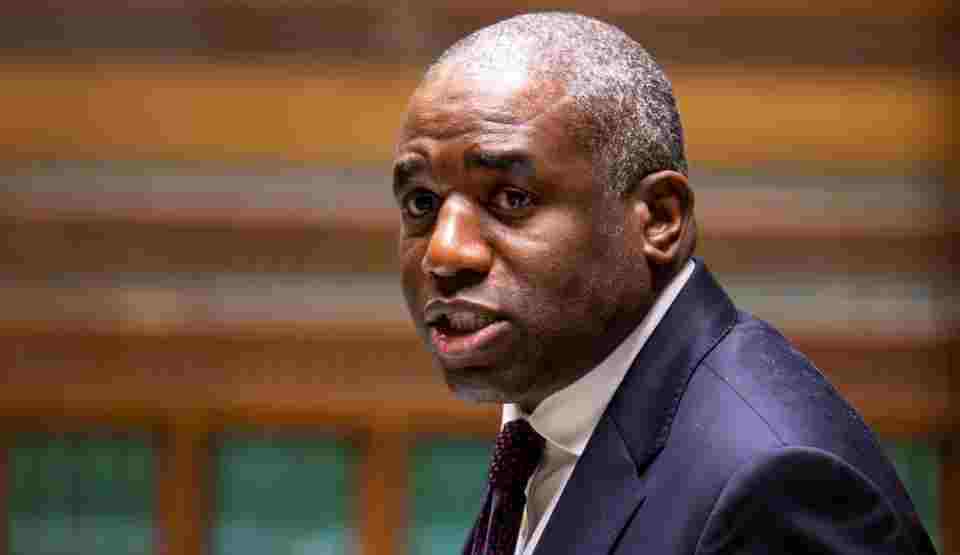
These findings follow remarks by Deputy Prime Minister David Lammy suggesting that customs union membership could boost economic growth. Ministers have increasingly criticized the economic toll of Brexit in recent weeks.
In a notable interview, Lammy declined seven opportunities to rule out reversing Brexit, arguing that EU departure significantly harmed the UK economy and suggesting Labour should explore deeper integration with Brussels. While acknowledging that rejoining the customs union isn’t current government policy, he noted that other nations have experienced growth after taking such steps.
Downing Street responded to Lammy’s comments with measured language. A spokesperson stated the government is “strengthening relations with the EU whilst sticking to our red lines,” adding that Britain must position itself as an “open trading economy” and maintain a grown-up approach to necessary tradeoffs.
When pressed further, the official clarified: “That is not our current policy or where we are.”
Internal Pressure and Economic Arguments
According to sources speaking to The Times, Baroness Shafik, Starmer’s chief economic adviser, privately advocated for customs union membership ahead of last month’s Budget. Her argument centered on reducing business costs and expanding export opportunities.
The prime minister is currently working to “reset” relations with the EU as part of his growth agenda, though he maintains that the government’s “clear red lines in relation to the single market and the customs union” will not be crossed.
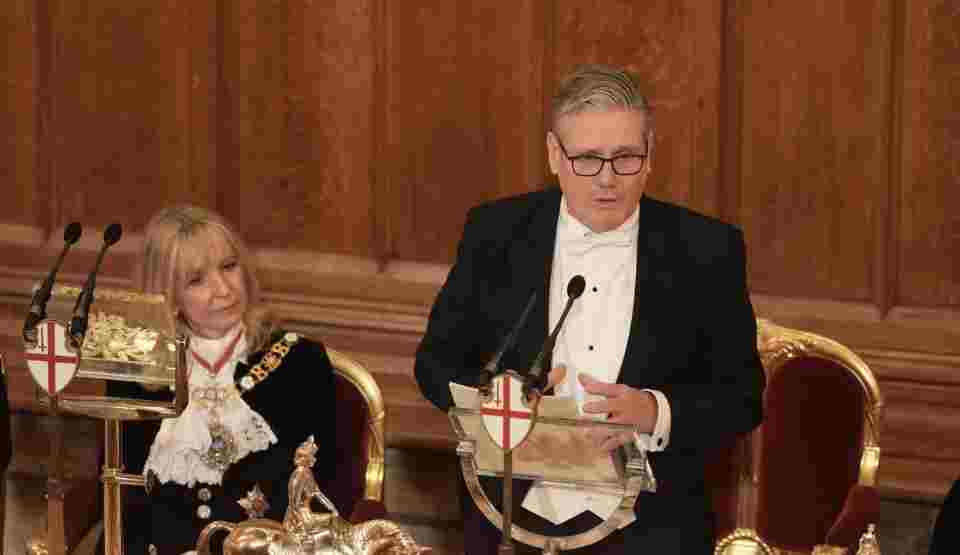
Speaking last week, Starmer characterized using Brexit as a foreign policy template as “utterly reckless.” At Monday night’s Lady Mayor’s Banquet in central London, he elaborated on this position.
“The Brexit vote was a fair, democratic expression, and I will always respect that. But how it was sold and delivered was wrong,” Starmer said. “Wild promises were made to the British people and not fulfilled. We are still dealing with the consequences today in our economy.”
The Economic Cost of Brexit
Independent analysis viewed by The Independent indicates Brexit costs the UK up to £90 billion annually in lost tax revenues.
Leading up to the tax-heavy Budget, Reeves and other cabinet ministers intensified their criticism of Brexit, arguing that leaving the EU inflicted even greater economic damage than initially forecast by critics.
Parliamentary Action Unlikely to Succeed
The Liberal Democrats have introduced legislation requiring the government to begin customs union negotiations with the EU, with a vote scheduled for Tuesday. The party has written to Labour MPs encouraging their support.
The bill, presented by Liberal Democrat Europe spokesperson Al Pinkerton, faces a vote just two weeks after the Budget announcement. However, passage appears unlikely given the absence of government backing, making the measure largely symbolic.
Pinkerton told The Independent: “A closer trade deal with the EU is a no-brainer. It is the single biggest thing we could do to boost the economy, generate billions for our public services and put money back in people’s pockets.”
He urged Labour MPs to support the bill “so we can start to undo the damage done by the disastrous Conservative Brexit deal,” noting that “Labour supporters would overwhelmingly back a customs union with the EU.”
The Savanta poll surveyed 2,024 UK adults online between November 7-10, 2025.