
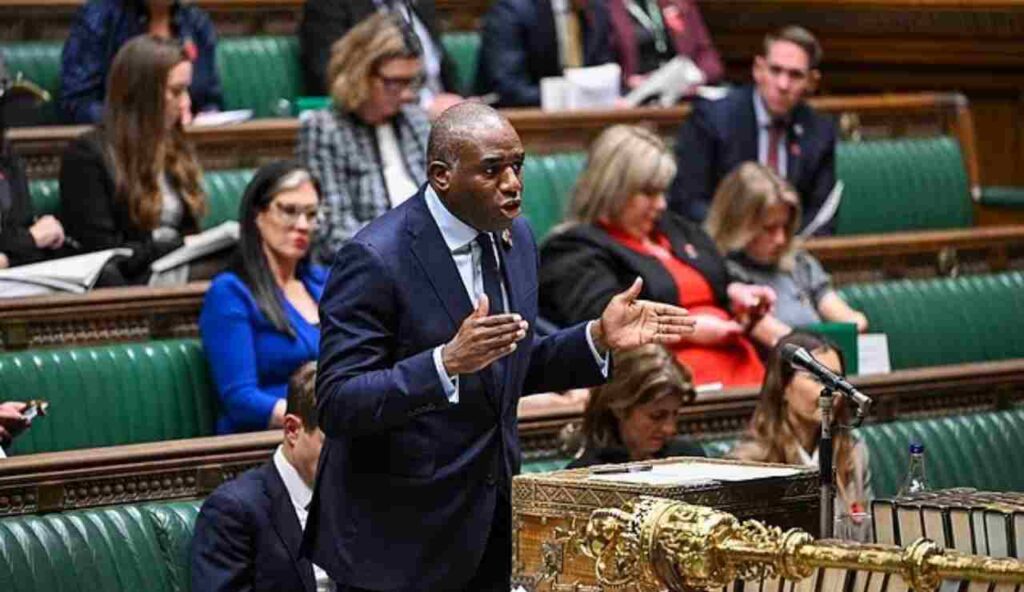
Justice Secretary David Lammy has sparked controversy with proposals that would limit jury trials to only the most serious offenses—murder, rape, manslaughter, and certain public interest cases City AM. In a confidential memo circulated to ministers and senior officials, Lammy contended there is no constitutional right to trial by jury in the UK City AMBritish Brief, arguing that bold measures are necessary to address the crisis in the courts.
The Scale of the Problem
England and Wales are grappling with nearly 80,000 cases backlogged in Crown Court and over 361,000 in magistrates’ courts as of June 2025 City AM. The proposals aim to expedite justice for victims who currently face waits stretching years into the future.
Under the planned reforms, most criminal cases would be decided by judges sitting alone rather than juries. Estimates suggest this could affect up to 75 percent of trials City AM, fundamentally altering how justice is administered across the country. Additionally, magistrates would gain expanded sentencing powers, allowing them to impose prison terms of up to two years rather than the current six months.
A Departure from Leveson’s Recommendations
These proposals exceed suggestions made by Sir Brian Leveson in his criminal courts review. Leveson had recommended establishing an intermediate court where judges would sit alongside lay magistrates for mid-tier offenses. Lammy’s plan removes the lay participation element entirely The Spectator, creating a system of sole judicial decision-making for a wide range of offenses.
Legal Community Pushback
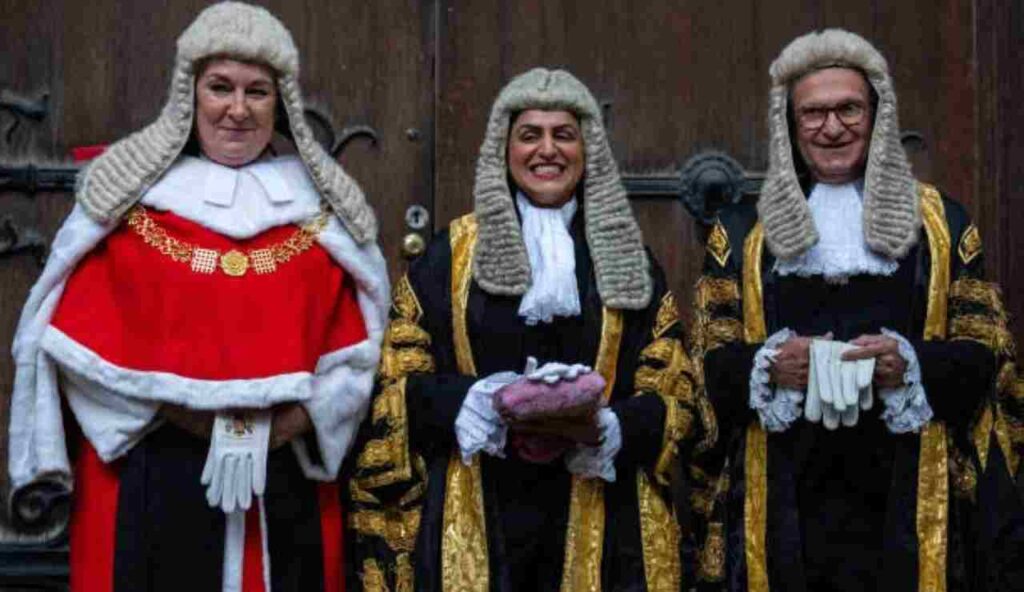
The legal profession has mounted fierce opposition to the proposals. Bar Council Chair Barbara Mills KC emphasized that the crisis is not caused by jury trials themselves City AM, advocating instead for addressing systemic inefficiencies before undertaking such dramatic constitutional change.
Mark Evans, president of the Law Society of England and Wales, described the measure as extreme and noted a lack of evidence that expanding judge-only trials would actually reduce backlogs City AM. Critics warn the reforms could undermine centuries of legal tradition without proven benefit.
Riel Karmy-Jones KC, Chair of the Criminal Bar Association, characterized the move as part of a coordinated campaign against public justice City AM, cautioning that it threatens to dismantle a justice system that has been a source of national pride.

A Reversal of Past Positions
The proposals represent a notable shift for Lammy himself. In 2020, while serving as Shadow Justice Secretary, he posted on social media that jury trials are fundamental to democratic settlement and that criminal trials without juries are ill-advised City AMGB News. Opposition politicians have seized on this apparent about-face.
Government officials maintain that no final decisions have been made but acknowledge the severity of the backlog requires bold action. Primary legislation to implement any changes would be introduced to Parliament in early 2026, setting up what promises to be a contentious parliamentary debate over one of the most significant reforms to criminal justice in modern