
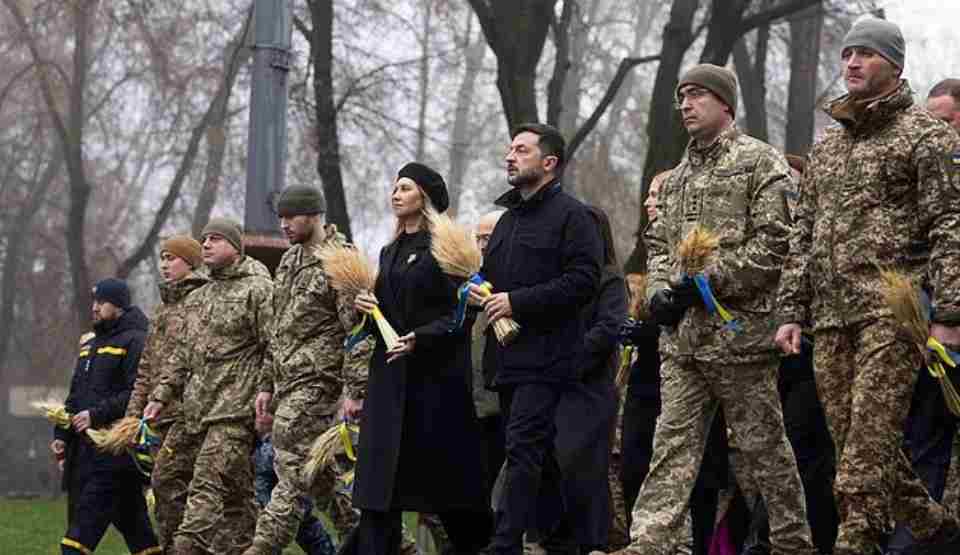
European allies voice concerns as Kyiv confronts difficult choice between sovereignty and U.S. support
By Tab2Mag International Desk
JOHANNESBURG – In what Ukrainian President Volodymyr Zelensky described as one of the most difficult moments in his nation’s history, Ukraine is confronting intense pressure to accept a controversial peace framework that would require significant territorial and military concessions to Russia.
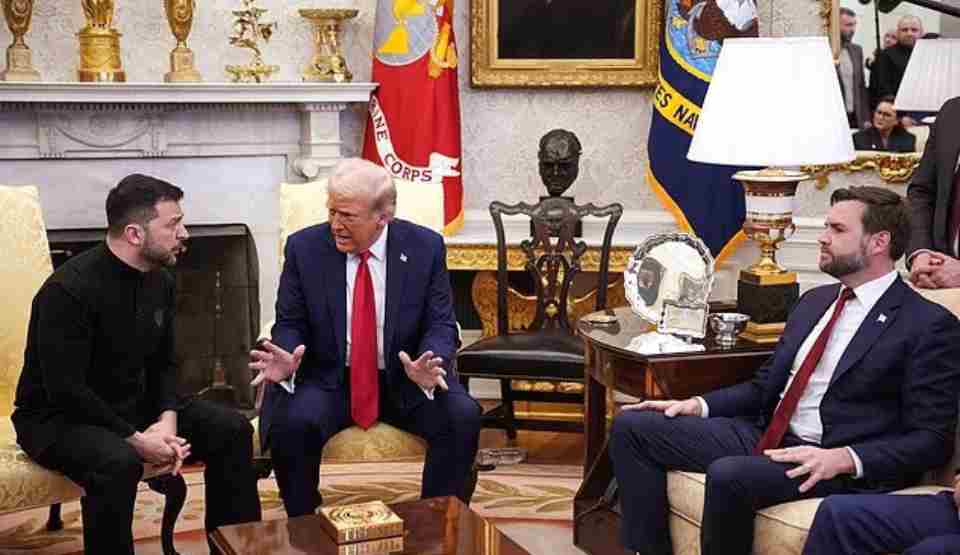
The Trump administration has presented a 28-point peace plan that has sent shockwaves through European capitals and left Kyiv’s leadership grappling with an agonizing decision. President Donald Trump has set a Thanksgiving deadline for Ukraine to accept the proposal, warning of potential consequences if the framework is rejected.
A Plan Under Fire
The peace proposal, drafted with input from Russian representatives, demands that Ukraine cede control of the eastern Donbas region—including Donetsk and Luhansk—as well as recognize Russian sovereignty over Crimea. The plan also calls for Ukraine to reduce its military forces, abandon ambitions of NATO membership, and forgo long-range weapons capable of striking Russian territory.
In exchange, the plan promises security guarantees modeled on NATO’s Article 5 principles, reconstruction funding, and sanctions relief for Russia. A Peace Council chaired by President Trump would oversee implementation.
U.S. Army Secretary Dan Driscoll traveled to Kyiv this week to present the framework directly to President Zelensky. Speaking to NATO ambassadors, Driscoll acknowledged the plan’s imperfections but stressed urgency, stating that no deal is perfect but action must be taken sooner rather than later.
European Pushback
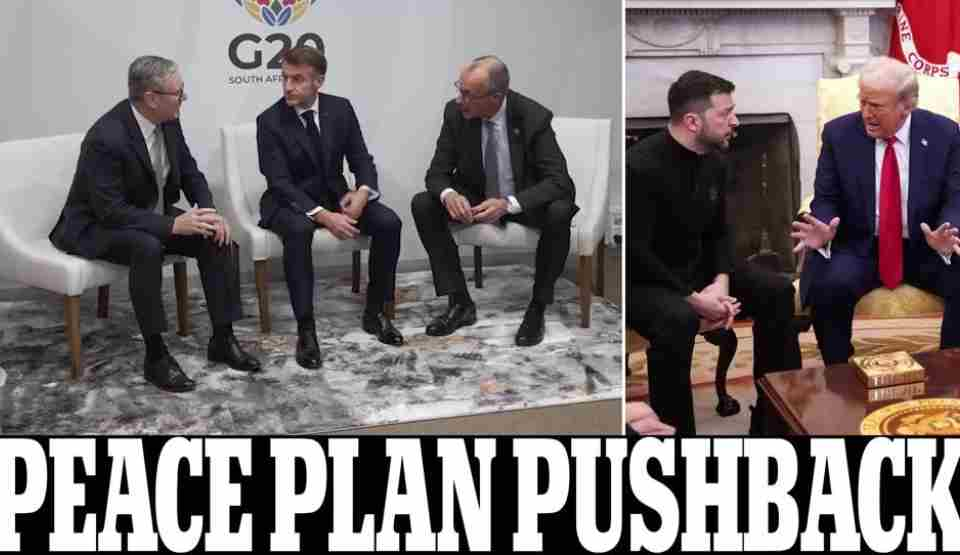
On the sidelines of the G20 summit in Johannesburg, British Prime Minister Keir Starmer joined French President Emmanuel Macron and German Chancellor Friedrich Merz in expressing reservations about the proposal.
Following an expanded meeting that included leaders from Japan, Canada, Italy, Norway, and the European Union, the group issued a joint statement acknowledging U.S. peace efforts while noting significant concerns. The statement emphasized that borders must not be changed by force and raised alarms about proposed limitations on Ukraine’s armed forces that could leave the nation vulnerable to future aggression.
The European leaders stressed that any elements affecting the EU or NATO would require consent from member states and pledged to coordinate closely with both Ukraine and the United States in coming days.
Zelensky’s Dilemma
In a somber video address to the Ukrainian people, President Zelensky framed the situation starkly. “Ukraine may now face a very difficult choice,” he said, “either losing its dignity or the risk of losing a key partner.”
Despite his concerns, Zelensky announced that Ukrainian envoys would meet with U.S. representatives in Geneva, with his top aide Andriy Yermak leading the delegation. National security advisors from Britain, France, and Germany are also expected to participate in the discussions.
“Our representatives know how to defend Ukraine’s national interests and exactly what must be done to prevent Russia from launching a third invasion,” Zelensky wrote on social media, referencing Russia’s history of aggression against Ukraine and other nations.
Moscow’s Response
Russian President Vladimir Putin has cautiously welcomed the proposal, stating it could form the basis for a final peace settlement. However, Putin warned that if Ukraine refuses to engage with the plan, Russian forces will continue advancing on the battlefield, pointing to recent gains around key Ukrainian positions.
The Kremlin has maintained that it has not received formal details through official diplomatic channels, though Russian representatives were reportedly involved in drafting the framework.
Congressional Concerns
The plan has also generated controversy in Washington, where even some of Trump’s Republican allies have expressed skepticism. Senator Roger Wicker, chairman of the Senate Armed Services Committee, criticized the proposal as having “real problems,” arguing that Ukraine should not be forced to surrender territory to “one of the world’s most flagrant war criminals.”
Senator Lindsey Graham, a Trump ally and Ukraine supporter, said he welcomed peace efforts but insisted any plan must be supported by strong U.S. military commitments to Ukraine and measures targeting Russia’s war-funding capabilities.
What’s at Stake
The proposal represents a dramatic shift in Western policy toward the conflict. For nearly three years, the United States and European allies have provided military, economic, and diplomatic support aimed at enabling Ukraine to defend its sovereignty and reclaim occupied territories.
Critics of the plan argue it rewards Russian aggression and sets a dangerous precedent for international relations. EU foreign policy chief Kaja Kallas stated bluntly that Russia has no legal right to any concessions from the country it invaded, emphasizing that ultimately, the terms of any agreement must be decided by Ukraine itself.
Supporters contend that the plan reflects battlefield realities and offers Ukraine meaningful security guarantees that could prevent future Russian aggression. The White House maintains that the framework creates a “win-win scenario” after years of devastating warfare.
The Road Ahead
As the Thursday deadline approaches, diplomatic efforts are intensifying. Zelensky has pledged to work around the clock to find an acceptable path forward while vowing never to betray his country.
The coming days will prove crucial not only for Ukraine’s future but for the broader international order. The world is watching to see whether a peace agreement can be forged that genuinely protects Ukraine’s sovereignty—or whether this moment will be remembered as a capitulation extracted under pressure.
For a nation that has endured invasion, occupation, and relentless bombardment, the choice before Ukraine carries profound implications for its people, its territory, and its place in the world. As Zelensky told his citizens, this will be “a very difficult, eventful week.”
This story is developing. Check Tab2Mag for updates.