
Shabana Mahmood has issued a stark warning to police forces, urging them to abandon investigations into lawful language posted on social media platforms.
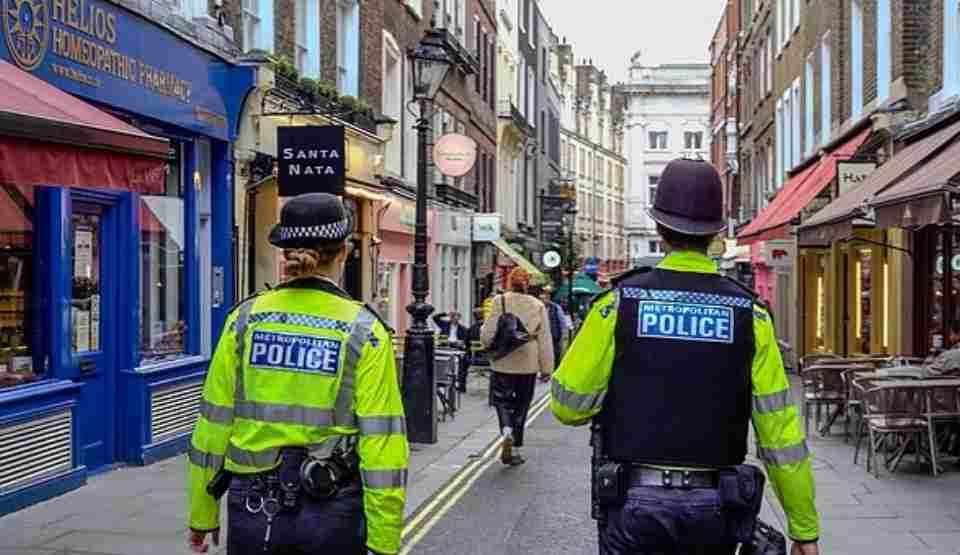
The Home Secretary emphasized that officers should focus their efforts on traditional street policing instead of pursuing complaints about online content that doesn’t break any laws.
Her comments address growing concerns about police resources being consumed by investigations into social media posts reported as offensive, which often result in citizens being tagged with controversial ‘non-crime hate incidents’.
Speaking to senior police officials and police and crime commissioners, Ms Mahmood also criticized the current state of policing as a ‘postcode lottery’ across England and Wales.
The remarks followed her recent announcement that PCCs will be scrapped by 2028, and precede an upcoming unveiling of significant police reform measures.
Focus on Real Crime
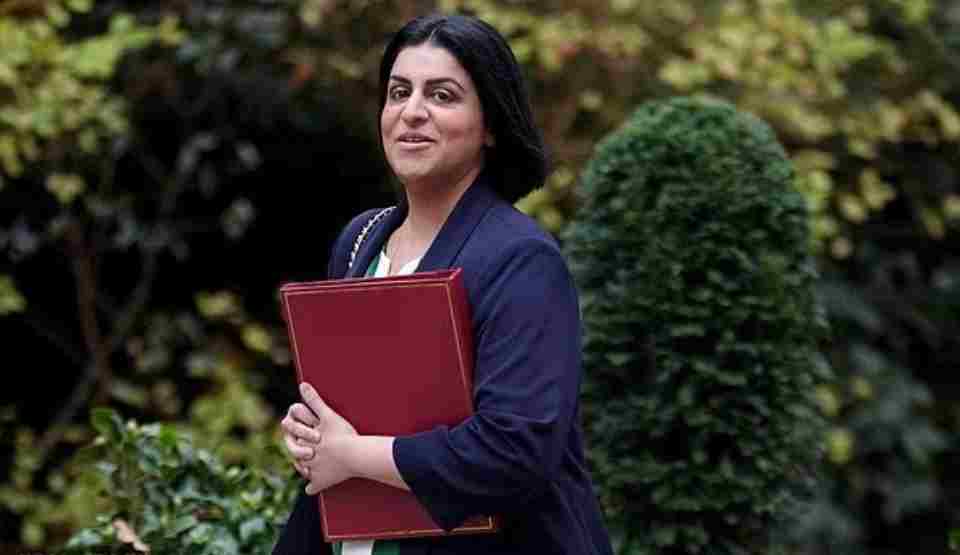
“The public rightly expect that we police our streets,” Ms Mahmood stated. “There is most certainly criminality online. Some things cannot be legally tweeted, just as they cannot be legally said, but we should not be policing perfectly legal language in any individual’s tweets.”
During the conference, the Home Secretary highlighted concerning crime trends, pointing to sharp increases in street crime, shoplifting, mobile phone theft and drug-related offences.
System Overhaul Needed
Ms Mahmood delivered harsh criticism of England and Wales’s fragmented system of 43 separate police forces, calling it ‘irrational’. She also expressed concerns about investigative practices and administrative inefficiencies.
“Clearly too much police time is spent behind a desk,” she told the National Police Chiefs Council and Association of Police and Crime Commissioners conference in Westminster.
She explained that forces waste resources by duplicating efforts, such as purchasing the same software multiple times rather than coordinating procurement. Additionally, thousands of officer hours are lost on tasks like reviewing CCTV footage, data entry and document redaction, while criminals escape justice because intelligence systems fail to share information effectively.
Major Reforms Coming
Ms Mahmood signaled that substantial changes are imminent, with a White Paper on police reform expected within weeks.
“I was a reformer at the Ministry of Justice and will be a reformer at the Home Office, too,” she declared. “I will be driven, above all else, by performance that will provide the right level of scrutiny and accountability without ever stepping into operational independence.”
End of Police Commissioners
Last week’s announcement confirmed that directly-elected police and crime commissioners represent a ‘failed experiment’ and will be eliminated by 2028.
The reforms will transfer oversight of local policing to elected mayors in some regions, while other areas will establish policing boards dominated by local councillors.
In a new revelation, Ms Mahmood disclosed that certain powers currently held by PCCs will return to central government control.
“We will bring some powers back in house under the Home Secretary, as they were in years gone by,” she said. “It is vital that police forces are held to account democratically. It is also essential that we ensure there is consistency in the application of the law across forces.”
While she didn’t specify which powers would revert to Westminster, analysts expect this will include the authority to remove chief constables—a responsibility transferred to PCCs when they were established in 2012.
Financial Savings and Criticism
PCCs were originally created to make police forces answerable to elected representatives. They control budgets, set council tax precepts, hire and fire chief constables, and develop crime prevention strategies.
However, critics have consistently condemned the commissioners—who earn up to £101,900—as unnecessary bureaucracy and a misuse of public funds. The government projects that abolishing them will save £100 million through 2029, followed by approximately £20 million annually, potentially funding 320 additional police constables.
Yet the Association of Police and Crime Commissioners has pushed back strongly. Chairman Emily Spurrell, who serves as Merseyside’s PCC, warned last week: “Abolishing PCCs now, without any consultation, as policing faces a crisis of public trust and confidence and as it is about to be handed a much stronger national centre, risks creating a dangerous accountability vacuum.”RetryClaude can make mistakes. Please double-check responses.