Director Stands Firm Against Renaming His Dream Project While Awaiting Producer Aamir Khan’s Final Decision
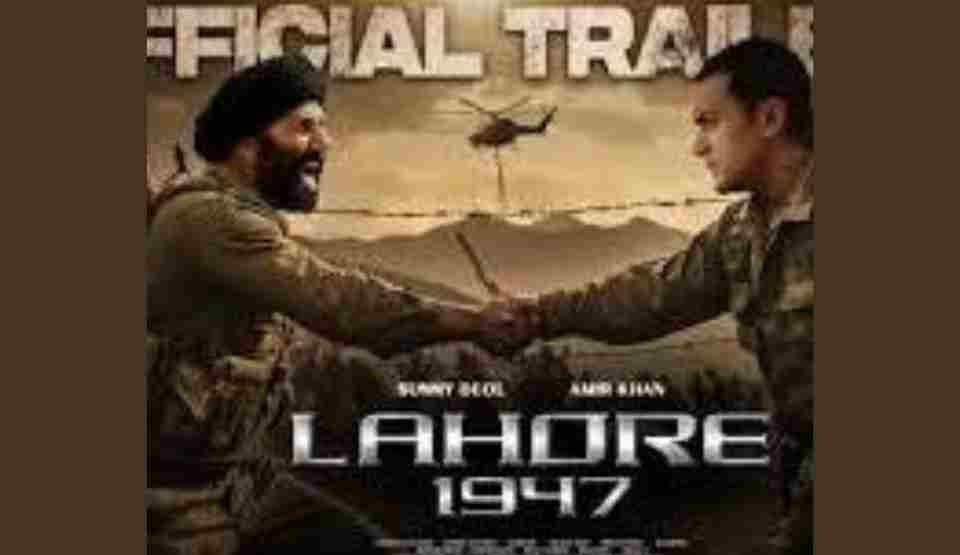
The highly anticipated historical film Lahore 1947, directed by acclaimed filmmaker Rajkumar Santoshi and produced by Bollywood superstar Aamir Khan, finds itself at the center of a brewing controversy over its title. The ambitious project, which has been in development for nearly two decades, may be forced to release under a different name due to the current political climate surrounding India-Pakistan relations.
The Project’s Long Journey
Lahore 1947 represents a passion project that Santoshi has nurtured for almost twenty years. The film is an adaptation of Asghar Wajahat’s celebrated Urdu play Jis Lahore Nai Dekhya O Jamyai Ni (One Who Hasn’t Seen Lahore Hasn’t Been Born), which explores the tumultuous period surrounding the Partition of India. The historical drama has already faced multiple delays, with several release dates announced and subsequently postponed, leaving audiences and industry insiders wondering about its fate.
The Title Controversy
The central issue revolves around the film’s title featuring “Lahore,” the name of Pakistan’s cultural capital. Sources close to the production suggest that in today’s politically charged atmosphere, releasing an Indian film with a title referencing a Pakistani city could prove controversial. The concern extends beyond mere optics—there are worries about potential backlash from certain quarters and the film’s commercial viability in the domestic market.
Industry observers note that the decision to potentially change the title reflects the increasingly cautious approach filmmakers must navigate when dealing with content related to Pakistan or the Partition era, particularly in the current socio-political environment.
Santoshi’s Uncompromising Stance
In an exclusive conversation, director Rajkumar Santoshi made his position crystal clear. “You have to ask my producer Aamir Khan when Lahore 1947 is releasing,” he stated, placing the ball firmly in the producer’s court. However, on the question of retitling the film, Santoshi was unequivocal in his opposition.
“As for changing the title, I am totally against it,” the director declared emphatically. “Of course, it is the producer’s call. But I am not in favour of this kind of appeasement.” His words underscore a fundamental artistic principle—that creative decisions should not be compromised by external pressures or political considerations.
The veteran filmmaker, known for his uncompromising vision in films like Andaz Apna Apna, Damini, and The Legend of Bhagat Singh, emphasized the personal significance of this project. “I’ve waited for almost twenty years to make this film. You could call it my dream project,” Santoshi revealed, his passion for the material evident in every word.
With a philosophical outlook on the project’s destiny, he added, “What is meant to be is meant to be. I was destined to make it with Sunny (Deol).”
The Reunion with Sunny Deol
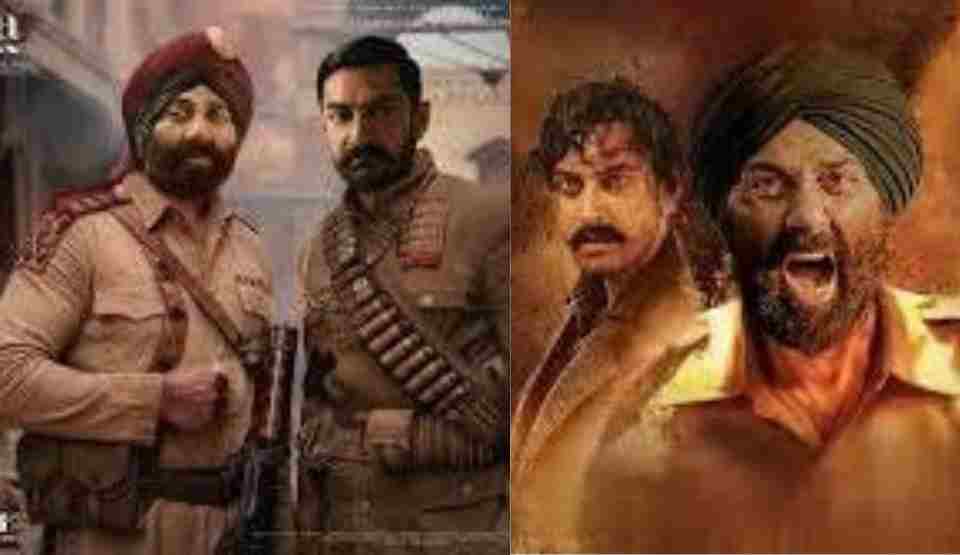
One of the most exciting aspects of Lahore 1947 is the reunion of Santoshi with actor Sunny Deol, with whom he has created two of Hindi cinema’s most memorable action dramas—Ghayal (1990) and Ghatak (1996). Both films became landmarks in Deol’s career, establishing him as one of Bollywood’s most formidable action heroes while showcasing Santoshi’s ability to craft powerful, emotionally resonant commercial cinema.
Speaking about working with Deol again after decades, Santoshi’s enthusiasm was palpable. “He is perfect in his part. He brings an arresting fusion of the classic and contemporary to the screen,” the director praised. This description suggests that Deol’s performance in Lahore 1947 will showcase a different dimension of his talent, blending the intensity he’s known for with a more nuanced, layered approach suited to the historical drama.
“My past films with Sunny, Ghayal and Ghatak, have been landmarks in his career, and mine too. And now I am confident Lahore 1947 will have the same impact,” Santoshi declared with conviction. This confidence suggests that the film may represent a career-defining moment for both the director and his leading man, potentially elevating Deol’s standing beyond his action hero persona.
Shabana Azmi’s Powerful Performance
Perhaps the most intriguing revelation from Santoshi concerns veteran actress Shabana Azmi’s role in the film. This marks the first collaboration between the legendary actress and the acclaimed director—a pairing that has clearly exceeded expectations.
“She has stunned audiences for fifty years. Just when we think there is nothing more for her to do, she comes up with another career-defining performance in Lahore 1947,” Santoshi said with barely contained excitement. His words carry significant weight, given that Azmi is already considered one of Indian cinema’s greatest actresses, with five National Film Awards and numerous international accolades to her name.
The director’s next statement is particularly striking: “Believe me, there won’t be a dry eye in the audience after watching her in my film.” This suggests an emotionally devastating performance that could rank among Azmi’s finest work—and given her illustrious filmography spanning films like Arth, Mandi, Paar, and more recently Rocky Aur Rani Kii Prem Kahaani, that’s an extraordinary claim.
Santoshi also revealed something crucial about the film’s narrative structure: “She is in many ways the central character of the film.” This indicates that despite Sunny Deol’s marquee presence, Azmi’s character forms the emotional core of Lahore 1947. In Partition dramas, female characters often bear the most devastating impact of the historical tragedy, and Azmi’s casting suggests a deeply humanistic approach to the material.
The director’s admiration extended beyond her professional capabilities: “She had all of us enthralled. Not just as an actress but a human being. I can’t wait to work with her again.” This personal connection between director and actor often translates into exceptional on-screen chemistry and performances, suggesting that their collaboration has been artistically fulfilling for all involved.
The Ball in Aamir Khan’s Court
As producer of Lahore 1947, Aamir Khan ultimately holds the decision-making power regarding both the title and the release strategy. Known for his meticulous approach to filmmaking and his willingness to tackle socially relevant subjects—as evidenced by films like Lagaan, Taare Zameen Par, Dangal, and PK—Khan’s choice in this matter will be closely watched.
Khan has a history of supporting bold, meaningful cinema, even when it courts controversy. His production company has championed content-driven films that push boundaries. However, he’s also a shrewd businessman who understands market dynamics and the importance of ensuring a film reaches its audience without unnecessary obstacles.
The tension between artistic integrity and commercial pragmatism is particularly acute in this case. Will Khan support Santoshi’s vision completely and retain the original title, potentially facing political backlash? Or will he opt for a title change that might ensure smoother theatrical release while disappointing his director?
The Broader Context: Partition Films in Contemporary India
Lahore 1947 is being made at a time when Partition narratives have seen renewed interest in Indian cinema. Films like Gadar: Ek Prem Katha (2001) and its sequel Gadar 2 (2023) have been massive commercial successes, though they’ve been criticized for presenting a one-dimensional, nationalistic view of the historical event.
More nuanced explorations like Tamas (1988), Earth (1998), Pinjar (2003), and Sardar Udham (2021) have attempted to grapple with the human tragedy of Partition beyond political rhetoric. Given Santoshi’s track record with socially conscious films like The Legend of Bhagat Singh and the source material’s literary pedigree, Lahore 1947 likely falls into the latter category.
However, the current political climate is markedly different from earlier periods. Sensitivity around Pakistan-related content has intensified, and filmmakers increasingly face pressure—both from state and non-state actors—to conform to particular nationalist narratives. The question of whether an Indian film can simply use “Lahore” in its title without controversy reflects these broader tensions.
What’s at Stake
For Santoshi, this is clearly more than just another project. It’s the culmination of a two-decade-long ambition, a dream that has finally materialized with ideal casting and what appears to be powerful performances. Compromising the title would represent, in his view, an act of “appeasement”—sacrificing artistic vision at the altar of political expediency.
For audiences, what hangs in the balance is the opportunity to experience what could be a landmark film in Indian cinema—a Partition drama crafted by a director known for his powerful storytelling, featuring performances that could define the careers of already-established actors, and addressing a historical wound that continues to shape South Asian politics and society.
For the Indian film industry, the resolution of this controversy will signal how much creative freedom filmmakers have when dealing with historically and politically sensitive subjects. If the title is changed purely due to political considerations rather than artistic reasons, it may set a concerning precedent for future projects.
The Wait Continues
As of now, the film’s release remains uncertain, and the title question unresolved. Santoshi has made his position clear—he opposes any title change and sees it as unwarranted appeasement. But the final word rests with Aamir Khan, who must balance his director’s artistic convictions with practical considerations of distribution and reception.
One thing is certain: when Lahore 1947—or whatever it may ultimately be called—finally reaches theaters, it will arrive with enormous anticipation. The Santoshi-Deol combination, Shabana Azmi’s reportedly career-defining performance, and the film’s exploration of one of history’s most traumatic events ensure that audiences will be watching closely.
Whether the film releases as Lahore 1947 or under a modified title, Rajkumar Santoshi’s dream project has already sparked important conversations about artistic freedom, political sensitivity, and the role of cinema in processing historical trauma. In many ways, these discussions are as important as the film itself, reflecting the complex relationship between art and politics in contemporary India.
For now, we wait for Aamir Khan’s decision and, eventually, for the film that has been twenty years in the making to finally meet its audience.