
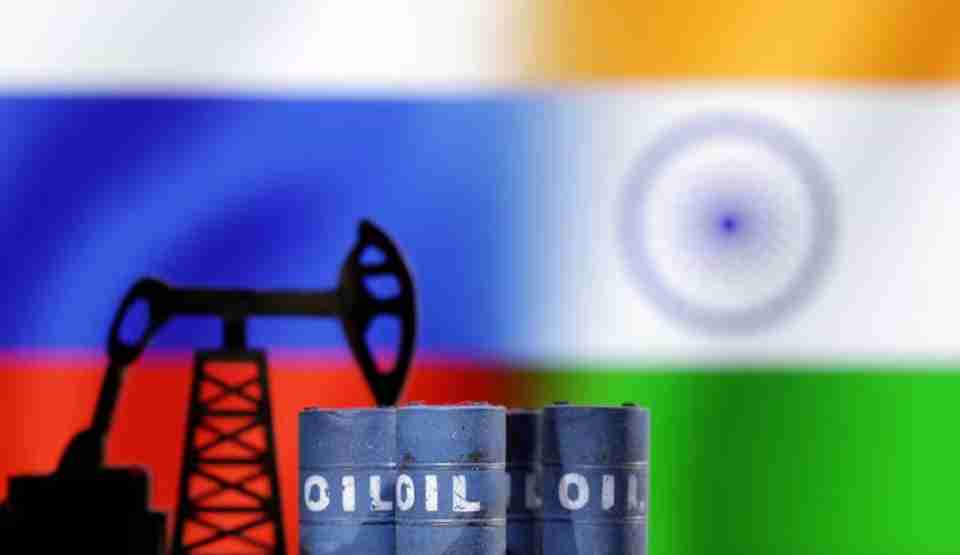
India’s energy security faces major uncertainty as Russian crude shipments drop sharply following Washington’s latest sanctions
Russian oil exports to India have experienced a dramatic decline following new US sanctions imposed on Moscow’s oil giants, raising serious concerns about India’s energy security and forcing refiners to scramble for alternative supplies.
Sharp Drop in Shipments
In the week ending October 27, crude oil exports from Russia to India averaged just 1.19 million barrels per day (bpd), a significant decrease from 1.95 million bpd in the previous two weeks, according to provisional vessel tracking data from global commodity analytics provider Kpler.
The sudden drop follows US sanctions announced on October 22 targeting Russian oil majors Rosneft and Lukoil, with a compliance deadline set for November 21, 2024. Together with the previously sanctioned Surgutneftegaz, these three companies have supplied more than three-quarters of crude exports to India.
Refiners Hit the Brakes
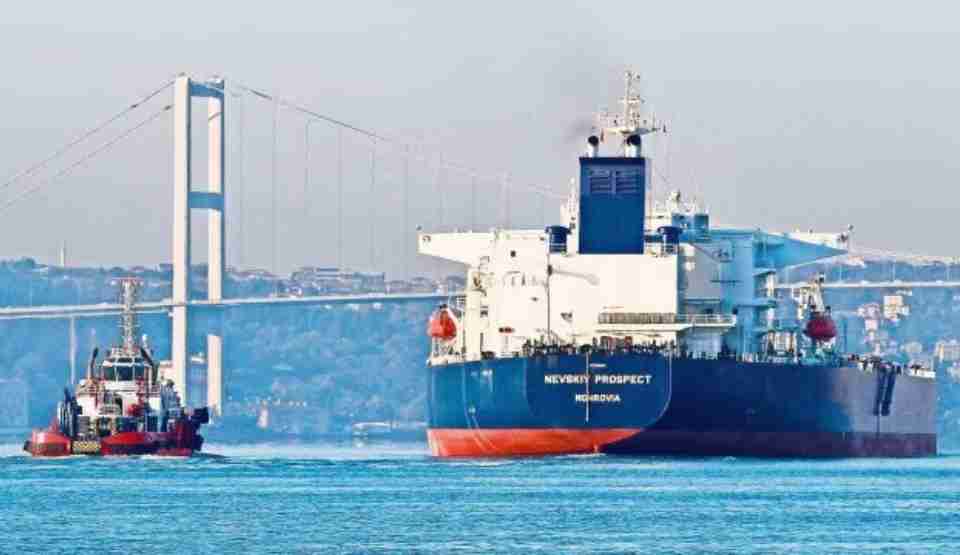
Senior executives at India’s top refineries have indicated that the new restrictions make continued imports “virtually impossible.” The immediate impact has been severe, with one tanker carrying Russian crude to India turning around and going adrift in the Baltic Sea after the sanctions were announced.
Many Indian refiners have paused new orders and are turning to spot markets for alternatives. Industry experts predict that upcoming Russian imports arriving in December could plunge by 50% to 75% compared to this year’s average.
Reliance Industries, India’s largest buyer of Russian oil, has confirmed it will comply with the sanctions and has already increased orders of Middle Eastern crude in recent days.
High Stakes for India’s Energy Security
The timing of these sanctions poses significant challenges for India’s growing economy. Since the start of 2024, Russian crude has accounted for more than 36% of India’s total oil imports. India imports around 85% of its crude oil requirement amid growing domestic demand, making it highly vulnerable to supply disruptions.
The relationship between India and Russia in the energy sector had flourished since 2022, with Russian oil becoming a crucial source of affordable crude for Indian refiners.
Escalating Trade Tensions
The sanctions are part of a broader pressure campaign. The US has issued an executive order imposing an additional 25% tariff on Indian imports linked to Russian energy trade, bringing total duties to 50%.
Additionally, EU sanctions announced in May target Indian petroleum products refined from Russian crude, directly impacting major refiners including Nayara Energy and Reliance Industries.
Uncertain Path Ahead
While industry experts believe it will take at least a month to get a clear picture of the full impact, Indian refiners are clearly wary of Washington’s latest sanctions. The provisional data represents early signals, but the trend is unmistakable.
As the November 21 deadline approaches, India faces critical decisions about adjusting its energy sourcing strategies. The situation remains fluid as companies seek workarounds and alternative suppliers, but the era of abundant Russian crude flowing to Indian refiners appears to be ending.
The coming weeks will reveal whether India can successfully diversify its oil imports without significant disruption to its energy supply and refining operations.